
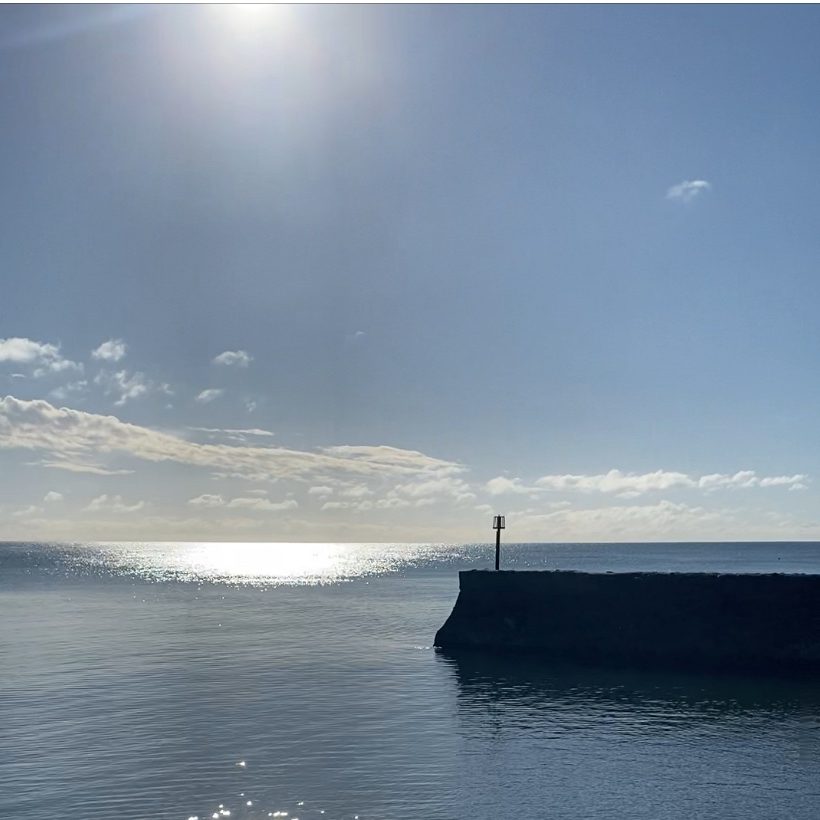
You dominate the local pool, gliding through the water with ease. But mention a dip in the sea and you suddenly feel apprehensive. Sound familiar? You’re not alone. Many strong pool swimmers find themselves intimidated by open water. What is it about the sea that throws even experienced swimmers off? Let’s dive in (figuratively, of course!) and explore the reasons why:
1. Temperature Tantrums: Let’s face it, the UK’s waters aren’t exactly balmy. The shock of cold water can be intense (even in ‘summer’), leading to gasping, shortness of breath, and even panic. This can be especially challenging for swimmers used to the controlled, warmer environment of a pool.
2. Where’s the Wall? Pool swimming offers comforting predictability. Lanes, a visible bottom, and that reassuring wall at the end of each lap. The sea, however, is a different beast. The vastness, lack of visual markers, and disorienting feeling of depth can trigger anxiety and make it hard to gauge distance.
3. Waves of Worry: The sea is a beast! Waves, even small ones, can be disorienting, making it difficult to maintain your stroke and breathing rhythm. Suddenly, that perfectly timed swimming technique goes out the window!
4. Current Affairs: Unlike the static water of a pool, the sea is alive with currents. These unseen forces can pull you off course, making it challenging to swim in a straight line or even stay in one place. This can be especially daunting for those used to predictable conditions.
5. What Lies Beneath: Seaweed brushing your leg, a curious fish darting past – the unexpected encounters in open water can be unnerving for swimmers used to a controlled environment. Or nothing! Not being able to see anything at all, just darkness… or that sinking feeling when the sun disappears behind a cloud and sea – which was just full of sun beams – is ominously dark.
So, What Can You Do to improve your sea swimming?
Don’t worry, transitioning from pool to sea is achievable! Here are a few tips:
- Acclimatise: Gradually introduce yourself to colder water temperatures with short, dips with friends. Take it easy with yourself.
- Buddy Up: Swim with an experienced open water swimmer, preferably someone who knows the area you’re swimming in and understand the conditions.
- Start Small: Begin in calm, shallow areas and gradually venture further as you gain confidence.
- Respect the Water: Understand the power of the sea, check weather conditions, and be aware of tides and currents, get the pollution apps, and check out the local webcams.
- Kit Up: This isn’t about having all the gear and no idea. Taking a tow float will make you visible to other water users and for me, it feels like having a friend alongside, a shot of confidence.
- Have a word: Mental preparation is key to a good swim. If you decide you’re going to be cold and frightened, chances are that’s exactly what will happen. Remind yourself to enjoy it and experience every last bit of your glorious swim. It’s mind over matter.
- Look out: Take an interest in the colours, the movement and what’s happening around you. The seaweed is a very different prospect if you imagine it as a beautiful underwater garden. Pull on some great fitting goggles and look to see what you can see.
- Change it up: Take note of the conditions and change up your stroke. Your breath rate, side of breath, stroke rate… slow down, speed up… figure if you’re swimming with or against the current. Your swim style needs to change to match the conditions. That’s what makes it fun and challenging, so play with it.
Remember, swimming in the sea is a different experience, but with the right preparation and respect for the environment, you can conquer those waves and enjoy the invigorating freedom of open water.
I’ve got groups currently on a Wednesday lunchtime and Saturday morning. If you’d like more details drop me a line.
Discover more from Outdoor Swim Coach
Subscribe to get the latest posts sent to your email.
